
How Small-Business Mentorship Programs Drive Impact You Can Measure
Learn how top programs meet the challenge of telling a great story backed by metrics and data — and get the exact one-page format we use to prove our own programs, built on outcomes from 400,000+ entrepreneurs.
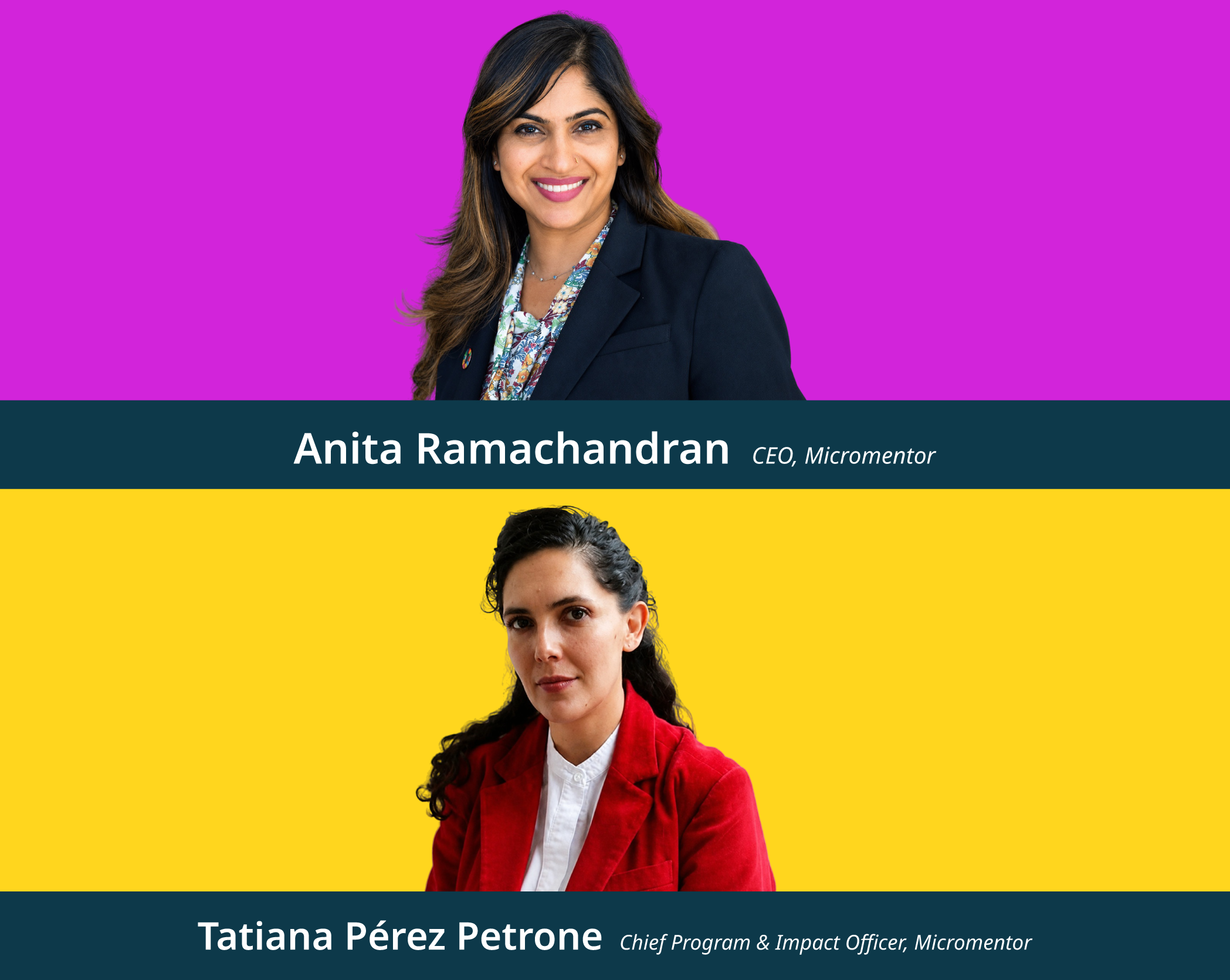
SEPTEMBER 2ND • 2PM EST
Who This Is For:
Program Managers & Directors
Supplier Diversity & Supplier Development Executives
Small-Business & Community Entrepreneurship Leaders
CSR, Foundation & Impact Officers
CFOs and the finance partners who fund these programs
If you run, fund, or answer for a program that supports small businesses, this session was built for you.
The Mentorship Program Challenge Today
In today's economy — program cuts, shifting priorities — even the most effective mentorship programs are struggling to:
Defend their budgets and their work to finance leadership
Maintain entrepreneur engagement through real-world threats
Share measurable outcomes with the people that matter


The feedback from entrepreneurs was overwhelmingly positive — and our team thoroughly enjoyed collaborating with MicroMentor.
— Program partner

With my mentor's support, I transformed my passion into a business — scaling our services and creating a B2B offering.
— Mentored entrepreneur

I stopped seeing myself as a patient trying to work and started seeing myself as a resilient entrepreneur.
— Mentored entrepreneur
Over 15 Years in Global Mentor Program Leadership
Programs delivered across four continents, measured the whole way. A few of the numbers this session is built on:
2x
revenue growth for mentored vs. non-mentored entrepreneurs
revenue ROI per $1 invested ($7.81 in livelihoods ROI)
$4.01
formed a sustained mentoring relationship
58%
average income increase in one national program, focused on women-led businesses
18%









Questions you're probably asking
-
Not with stories. Finance funds change, not motion, and funders ask the same thing in different words. The programs that survive a budget conversation can finish one sentence: businesses in our program grew revenue % faster and stayed with us __ points longer than comparable non-participants, at a cost of $ per business. Everything else, the workshops, the testimonials, the hours delivered — is supporting material for that sentence. We'll walk through how to fill it in, blanks and all.
-
Dismissed: sign-ups, logins, events held, hours delivered. All real, none of them outcomes. They answer what you did, not what happened. What survives: revenue growth, retention, and survival, each measured against a comparison group. There's a test you can run on your own reporting this afternoon. If a number could just as easily be true of a program that changed nothing, it will be read as activity.
-
Honestly, you can't prove causation without real research, and anyone who tells you otherwise is selling something. What you can do is build a comparison, and three of them hold up: participants versus non-participants, before versus after, cohort versus benchmark. A number without a comparison is an anecdote with digits. Our own headline works this way. 42% of mentored entrepreneurs grew revenue, against 19.8% of those without mentorship.
-
Because enrollment is a decision and participation is a habit, and most programs only measure the decision. Sign-ups look healthy, the kickoff goes well, and by month three the sessions have quietly stopped. Nobody measures month three, so the first hard number anyone sees is a renewal question they can't answer. It usually isn't a failure of interest. It's a failure of structure. Structured programs run about twice the engagement of unstructured ones.
-
Three things. Revenue growth among participants. Sustained engagement at six months, meaning a relationship that persisted rather than a login. And business retention: whether participants are still your customers or suppliers when comparable non-participants aren't. That third one is usually the surprise, because your CFO already cares about it and the data is already sitting in your CRM. It holds whether your program is mentoring, grants, training, coaching or supplier development. We hand over the one-page format on the day, and send it to everyone who registers, live or not.
-
You don't change the numbers, you change the nouns. The same retention figure is sustained impact to a funder, community outcomes to a board, and reduced churn to finance. Programs get into trouble when they build three measurement systems for three audiences and then can't reconcile them. Measure once, translate three ways. That's most of what this thirty minutes is: the format we use on ourselves, handed over. MicroMentor comes up twice, once to explain where the data comes from, once at the end.
Your hosts

Anita Ramachandran
CEO, Micromentor
Anita has led MicroMentor from 5,000 to over 400,000 entrepreneurs and 100,000+ mentors worldwide, and created the Mentoring-as-a-Service model this conversation is built around. Before this, she ran operations for Xerox's channel marketing and eCommerce division — and she brings that same business discipline to social impact today.
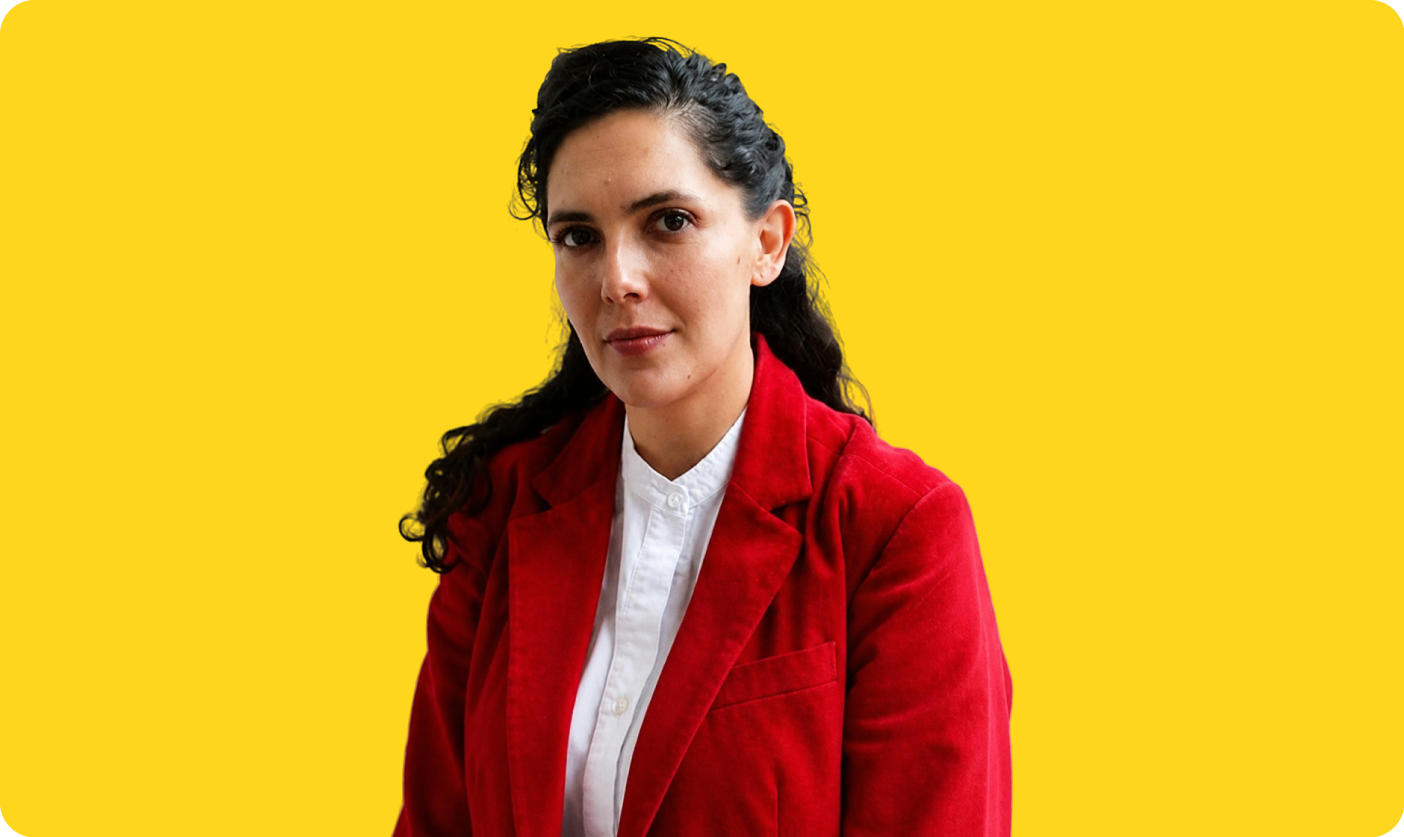
Tatiana Pérez Petrone
Chief Program & Impact Officer, Micromentor
One of the architects of Mentoring-as-a-Service — the person who's had to prove mentorship works across Indonesia, Ethiopia, MENA, and Latin America, to funders who don't take outcome data on faith. Twenty years in economic development, including Ashoka, sit behind the one-page format she'll walk through live.
Bring your renewal question. Leave with the format to answer it.
August 25th · 5:00–5:30PM EST · Free