
How to prove your small business program actually works — a real conversation, not a webinar deck.
A free 30-minute conversation with Anita Ramachandran (CEO) and Tatiana Pérez Petrone (Chief Program & Impact Officer) about what it actually takes to prove a program works — and the one-page format we use to do it ourselves.
[DATE]
30 minutes
[TIME] ET
Template included

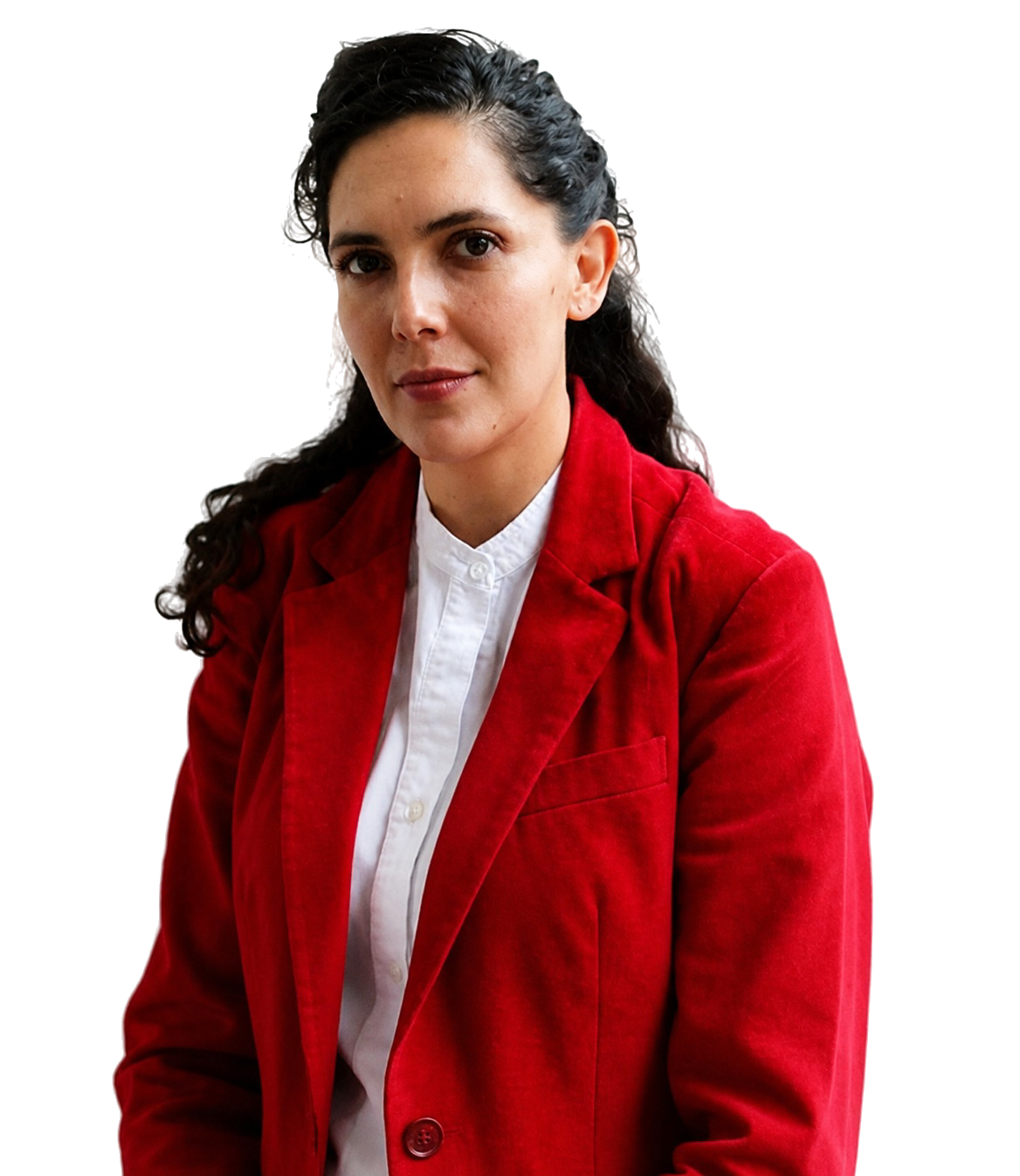
Anita Ramachandran
Tatiana Petrone


This is for the person who runs the program — supplier development, small business support, community entrepreneurship — and has to answer for its results. If you manage a supplier diversity track, an SMB customer benefit, or a corporate foundation's entrepreneurship program, this conversation is built around the specific bind you're in: you know the program is working, and proving it to the people who control the budget is a different, harder job.
Sound familiar?

The stories are strong. The numbers aren't there.
The renewal review asks for retention, revenue, survival — and the program can't produce them in the language finance accepts.

Enrollment is healthy, the kickoff goes well — and by month three, participation quietly drops and nobody can see it but you.
Sign-ups look fine. Then it goes quiet.

Every year, the same question: "What did we get for it?"
Budget scrutiny is up, and programs that can't answer commercially don't get to grow.
What you'll walk away with
This isn't a webinar with a deck. It's a real 30-minute conversation between two people who've actually done this — not watched a presentation about it.

What actually moves small businesses
This isn't a webinar with a deck. It's a real 30-minute conversation between two people who've actually done this — not watched a presentation about it.

How to attribute results to your program
Telling the difference between people who happened to grow and growth your program caused.

The one-page metrics template
Sent to every registrant, whether or not you attend live.
We've spent years proving our own program's outcomes to funders and boards. As a nonprofit, "trust us, it's working" was never an option — we had to build the numbers, every year, or the funding stopped.
Why us
In this conversation, we're showing you exactly how we do it, so you can do the same for your own program.
The proof


(with Fundación Capital and Nasdaq Foundation)
20,000 entrepreneurs connected, 7,000 mentors
18% average income increase, with a deliberate focus on women-led businesses
Documented gains in customer acquisition, marketing, cost reduction, and adoption of digital payments



Mentorship engagement 2× the global benchmark
More than half of entrepreneurs rated the program 10/10

The numbers behind it
revenue growth for mentored vs. non-mentored entrepreneurs
2x
more likely to open new sales channels
2.6x
revenue ROI per $1 invested ($7.81 in livelihoods ROI)
$4.01
formed a sustained mentoring relationship
58%

Also in the data:
2× customer acquisition
481 new/retained jobs
+36 Net Promoter Score
Questions you're probably asking
-
No. MicroMentor comes up twice: once as "why we have this data," once in the closing minute. The rest is the conversation and the format — no platform walkthrough, no fake urgency.
-
No — we're not a consultancy. We're showing you how we prove our own programs, and handing over the one-page format we use. What you do with it is up to you.
-
Doesn't matter. If your program supports small businesses — grants, training, coaching, supplier development — the proving-it problem is the same, and the format applies. We'll show what we've measured, including where structured mentorship moves outcomes.
-
Register anyway. The replay and the template go to every registrant. The open conversation at the end is the only part that doesn't survive to the replay.
-
30 minutes, hard stop. We know what your calendar looks like.
-
A nonprofit that has connected 400,000+ entrepreneurs with 100,000+ mentors worldwide, delivering mentorship programs with partners like card networks, development banks, and foundations. We measure everything — that's what this conversation is about.
Your hosts
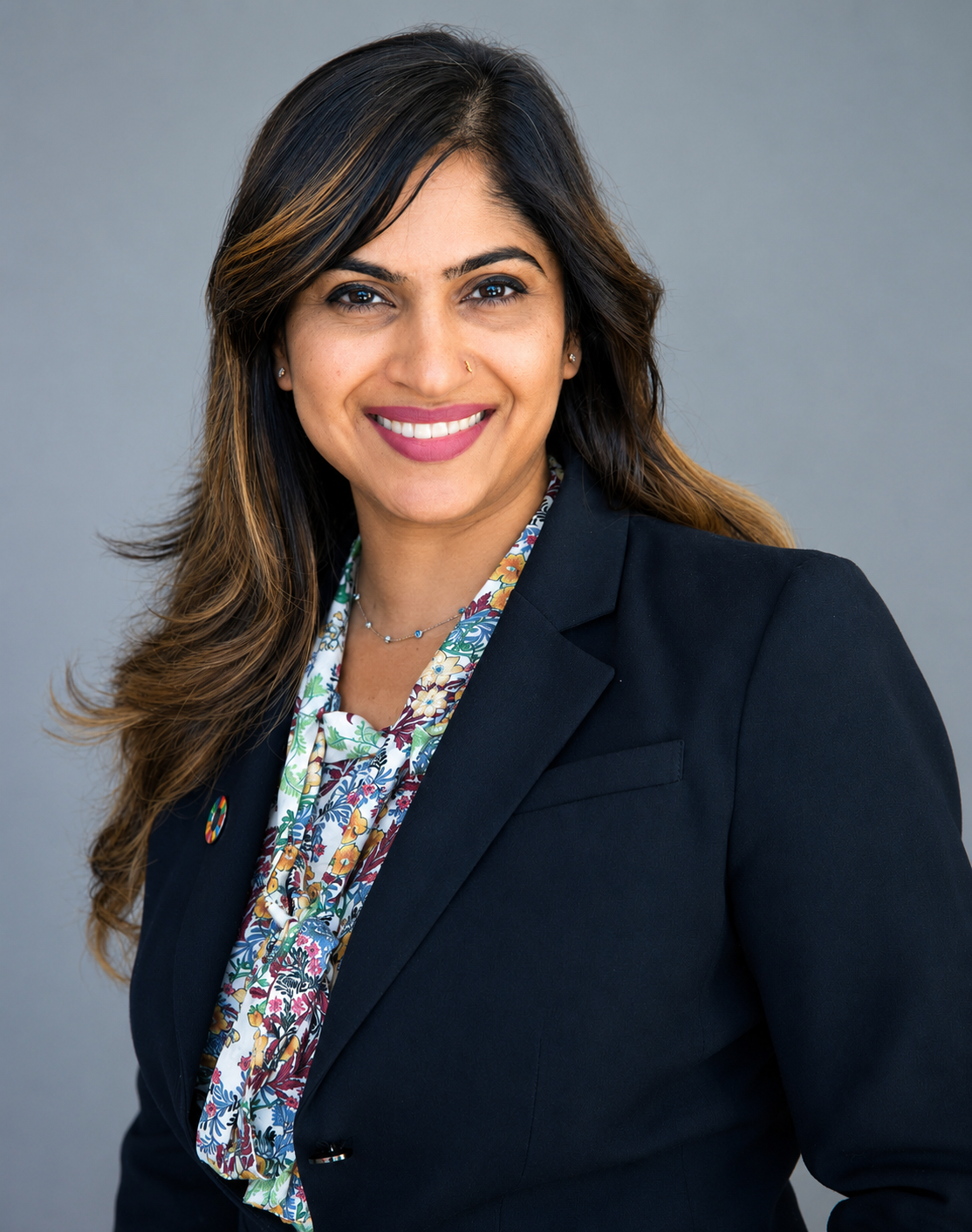
Anita Ramachandran
CEO, Micromentor
Anita has led MicroMentor from 5,000 to over 400,000 entrepreneurs and 100,000+ mentors worldwide, and created the Mentoring-as-a-Service model this conversation is built around. Before this, she ran operations for Xerox's channel marketing and eCommerce division — and she brings that same business discipline to social impact today.
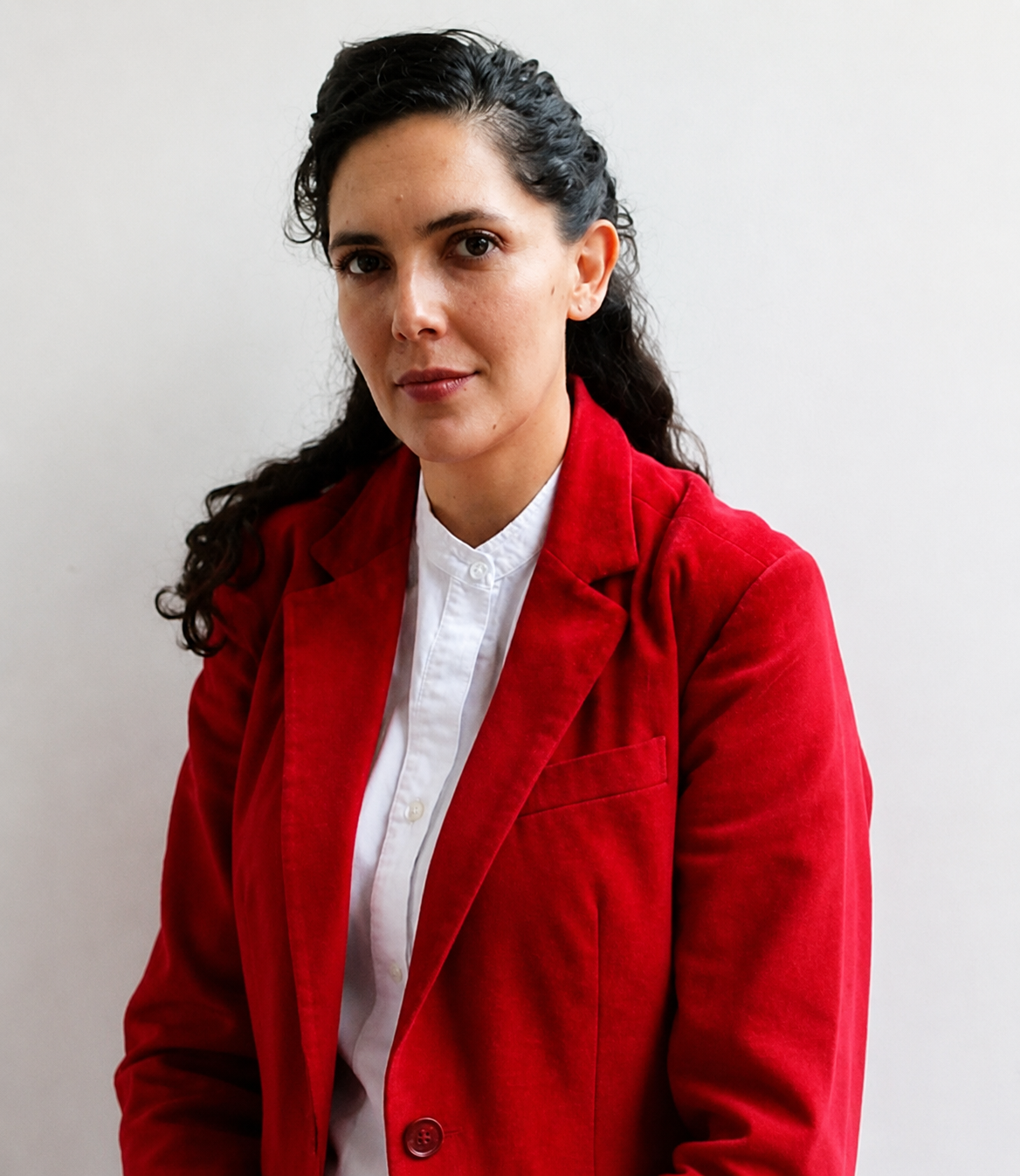
Tatiana Pérez Petrone
Chief Program & Impact Officer, Micromentor
One of the architects of Mentoring-as-a-Service — the person who's had to prove mentorship works across Indonesia, Ethiopia, MENA, and Latin America, to funders who don't take outcome data on faith. Twenty years in economic development, including Ashoka, sit behind the one-page format she'll walk through live.
Bring your renewal question. Leave with the format to answer it.
[DATE]
[TIME] ET
30 minutes
FREE